
Key Takeaways:
- An unannounced inspection shows the condition of the business as it is, not as it looks after a cleanup sprint.
- Temperature checks, hand sinks, sanitation, and food storage all need a clear owner on every shift.
- Most reports call for correction; immediate closure is reserved for conditions that threaten public health or safety.
- The best preparation is a routine employees can follow when the kitchen is busy.
Nobody circles a date on the calendar for a Florida health inspection search. That is the point. An inspector may walk in to conduct a Florida health inspection audit while a server is waiting on an answer, a delivery is being put away, and the fryer is having one of those days. A restaurant that depends on a frantic pre-inspection cleanup is going to have a hard time. A restaurant with decent everyday habits has a much better chance of simply carrying on.
How Often Should You Expect a Visit?
“How often are health inspections performed in Florida?” comes up a lot. For public food service establishments regulated by Florida’s Division of Hotels and Restaurants, routine inspections are unannounced, and a Florida health inspection audit can occur one to four times a year. The frequency is risk-based. Food preparation methods, the foods handled, and an establishment’s inspection and compliance history all play a role. Complaints and follow-up needs can bring an inspector back, too.
What The Inspector Sees First
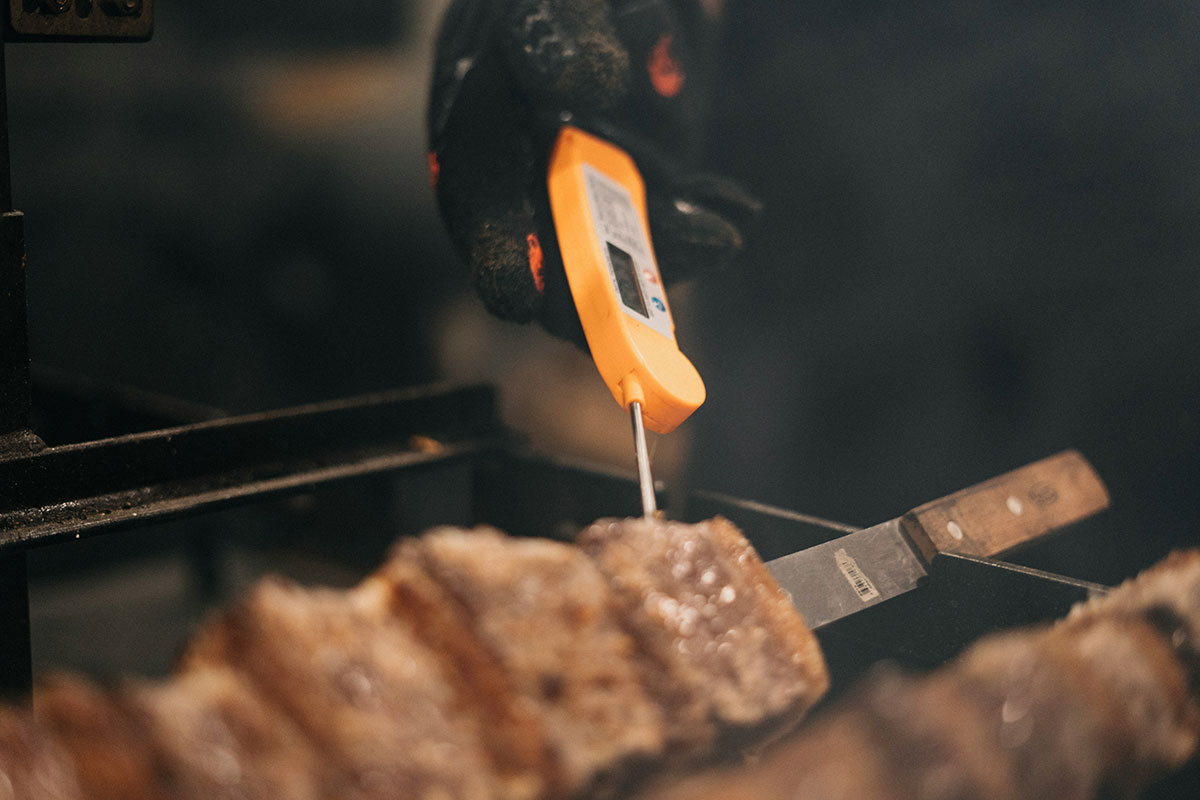
Florida health inspection searches begin with what’s happening in the moment. During a health inspection, an inspector may look at food in a cooler, watch a handwashing step, check a thermometer, ask where cleaning supplies are kept, or follow a question into the prep area. Paperwork can matter, but food handling and the condition of the facility matter for Florida health inspection audits just as much.
Common trouble spots:
- Cold food held too warm, or hot food below safe holding temperature
- A blocked or poorly supplied hand sink
- Sanitizer that hasn’t been mixed or tested correctly
- Raw food stored where it can drip onto ready-to-eat food
- Date-marking, cooling, or equipment issues
- Dirty or damaged surfaces, pest entry points, and chemicals stored too close to food.
- Thinking you can figure out how often and when health inspections are performed in Florida and working around that schedule.
When an Issue is Found
Do not argue with an inspector or try to hide mistakes. Have a manager available to answer questions, locate records, and explain how the team should respond during Florida health inspection audits. Then let the team keep working safely.
Some fixes can happen right away. A manager can restock a hand sink, replace a sanitizer bucket, move food to the proper shelf, or pull an item from use. That is worth doing, even though it does not erase the observation of a Florida health inspection search. More importantly, it gives the manager a chance to find out why the issue occurred. Was the opening checklist ignored? Were supplies missing? Did a new employee never get shown the process?
What Happens When a Restaurant Fails a Health Inspection?
The phrase “failed inspection” can make owners picture a Florida health inspection audit ending in a public disaster. The reality is more specific. Reports list violations and identify when corrections are needed. Items may be corrected on site, assigned deadlines, or checked during follow-up visits with distinctions between High-Priority, Intermediate, and Basic violations.
What happens when a restaurant fails requirements depends on what’s found. Conditions creating an immediate threat to public health or safety can result in emergency closures or license suspension until corrected – that’s why it’s important to not cut corners by planning around how often health inspections are performed in Florida. The consequences can be dire for your business! – Other issues may allow the operation to remain open while a Florida health inspection audit correction plan is underway. Read the report carefully; then put one person in charge of each correction and verify that it actually happened.
Turn the Report Into Next Week’s Better Routine
A Florida health inspection search report is a snapshot of one visit, not a permanent description of the business. It can be a useful reset, though. Review it while the shift details are still fresh. A broken cooler needs repair. A recurring label problem may need a better setup. A handwashing miss calls for direct coaching, not a vague reminder at the next staff meeting.
Try a short follow-up plan:
- Fix conditions that could threaten food safety before the next Florida health inspection audit.
- Explain the corrected step to the employees who perform it.
- Add one practical check to an opening, closing, or line routine.
- Look again after a few shifts to make sure the change did not disappear.
Public reports also make consistency matter beyond the kitchen. The Florida health inspection search through DBPR’s online services lets people view inspection information. A report reflects conditions on a particular day, but it is still a good reason to run a steady operation every day regardless of how often health inspections are performed in Florida.
Training Helps the Routine Hold
Food Manager training gives managers the footing to handle a Florida health inspection audit and oversee food-safety practices, while Food Handler certificates help employees understand the parts they own. Serve It Up Safe provides state-approved Food Manager training and exams, along with private Food Handler training for Florida hospitality teams. Register Now to help your team turn inspection readiness into a normal part of service.