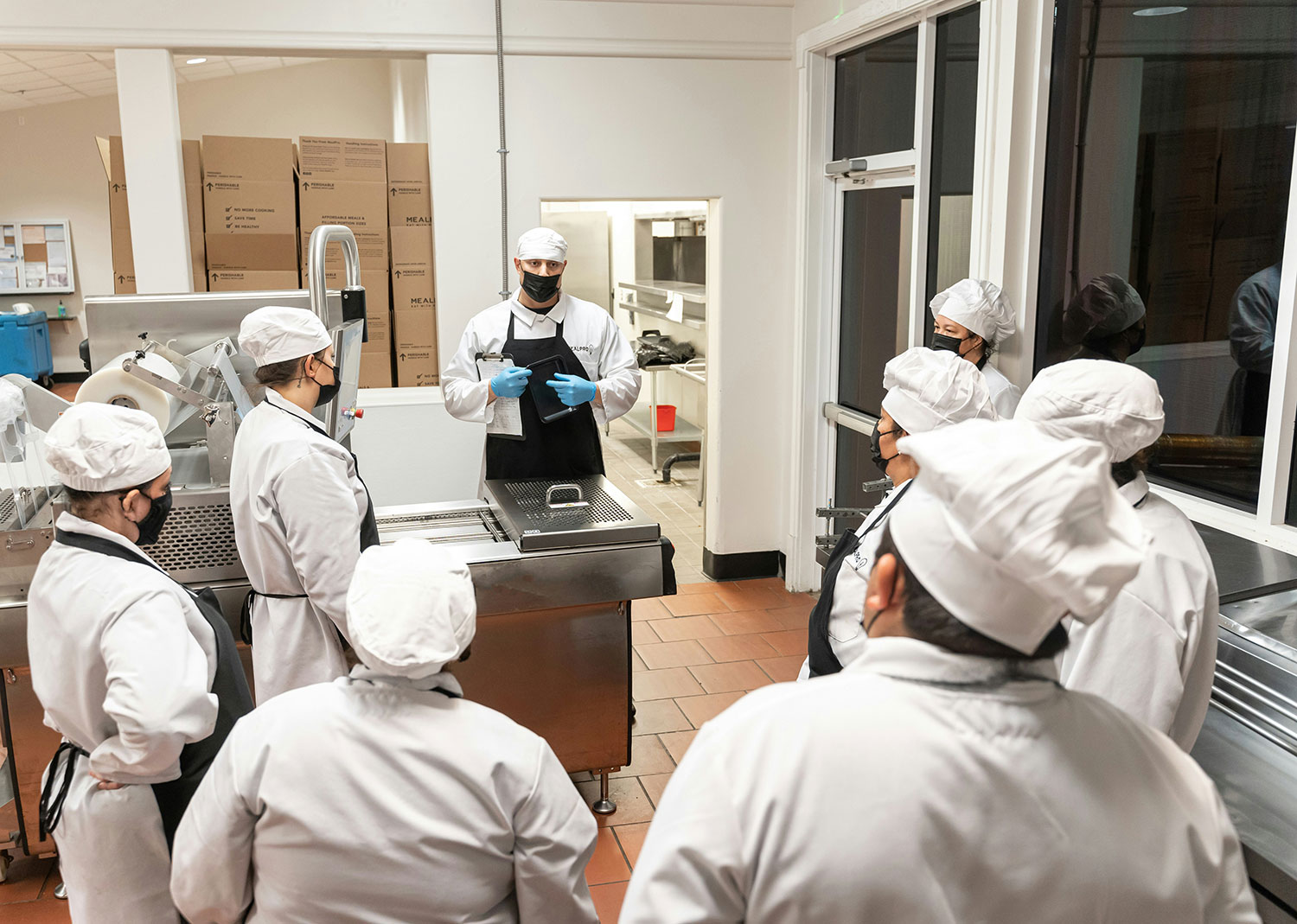
Key Takeaways:
- A short procedure, clear ownership, and timely follow-up keep small issues from becoming larger ones.
- Alcohol service and food safety laws in the hospitality industry need practical training AND daily reinforcement.
- Don’t forget the importance of safety and security in the hospitality industry!
- Managers build confidence when they make it easy for employees to speak up.
A hospitality business can have the right policies and still have a rough night. The cooler was not checked. A spill sat near the host stand. A server was unsure how to handle a difficult alcohol-service call. None of those moments begin as a major crisis. They become expensive when nobody knows the next step.
Risk management in the hospitality industry is most useful when it fits the pace of service. It shouldn’t be conceived of as something imposed top-down on an already existent work flow. It is best approached as a set of habits that help staff protect guests, coworkers, and the business when the line is long, and attention is divided.
Look at Your Own Operation
Start with a walk-through of the property alongside the people who work it. A generic checklist can be helpful, but staff members can usually point to the real pressure points:
- A prep area that gets crowded
- The side entrance that is sometimes left unsecured because, remember: risk management in the hospitality industry is about basic safety and security in the hospitality industry too!
- Floor drains that become slick
- Equipment that needs a second look before a busy weekend.
This is why it’s so important to cultivate a climate where staff feel comfortable speaking.
Make Food Safety Routine
Food safety laws in the hospitality industry set the legal baseline. Daily routines are what make that baseline real – teams need simple checks that happen at predictable times, not instructions that rely on somebody remembering them in the middle of a rush.
An opening check can cover a lot of the basics when it comes to risk management in the hospitality industry in a few focused minutes:
- Verify cold holding temperatures
- Inspect hot holding equipment.
- Confirm handwashing stations are accessible and stocked.
- Keep up with stock: sanitizer setups, test strips, and other cleaning/health-related supplies.
- Review allergen-related concerns, special events, or known equipment problems for the day.
The important part is deciding what happens next when a check fails. If a cooler is out of range, staff should know who to contact, how food is protected, and where the incident is documented. “Someone will handle it” is not a procedure when it comes to proper risk management in the hospitality industry. A named person and a clear response prevent uncertainty from becoming a food safety issue or a security and safety concern in the hospitality industry.
Use Training on the Floor

Formal training gives a strong foundation, but it shouldn’t be approached as a checklist – the goal is to connect it to the work directly: Food Manager training, Food Handler certificates, and a Responsible Vendor of Alcohol class help employees understand responsibilities and food safety laws in the hospitality industry. Managers are key to this process – they can make information stick when they bring it back to the floor in practical ways.
For example, rather than asking whether someone remembers a risk management policy in the hospitality industry, ask them to demonstrate it:
- Show the correct handwashing step
- Explain what they would do with an allergen request
- Identify when they should call for support during an alcohol-service concern.
These small conversations reveal gaps early, without making employees feel singled out.
Plan for Alcohol Service and Guest Interactions
Alcohol-service decisions can become stressful – especially when staff feel they have to make them alone. Servers and other team members should know:
- The signs that a situation needs management support
- How to make that handoff discreetly
- Basic safety and security protocols in the hospitality industry
- Where to find help quickly.
A Responsible Vendor of Alcohol class gives teams useful knowledge for risk management in the hospitality industry; a consistent internal procedure makes it easier to use that knowledge during a live interaction.
Employees should feel comfortable saying, “Let me get my manager,” without worry. Managers should then take over with a calm, respectful approach that protects the guest, the employee, and the establishment. Just like food safety laws in the hospitality industry, review procedures regularly – especially when new people join the team or a difficult situation exposes a weak spot.
Security Always Belongs in the Plan
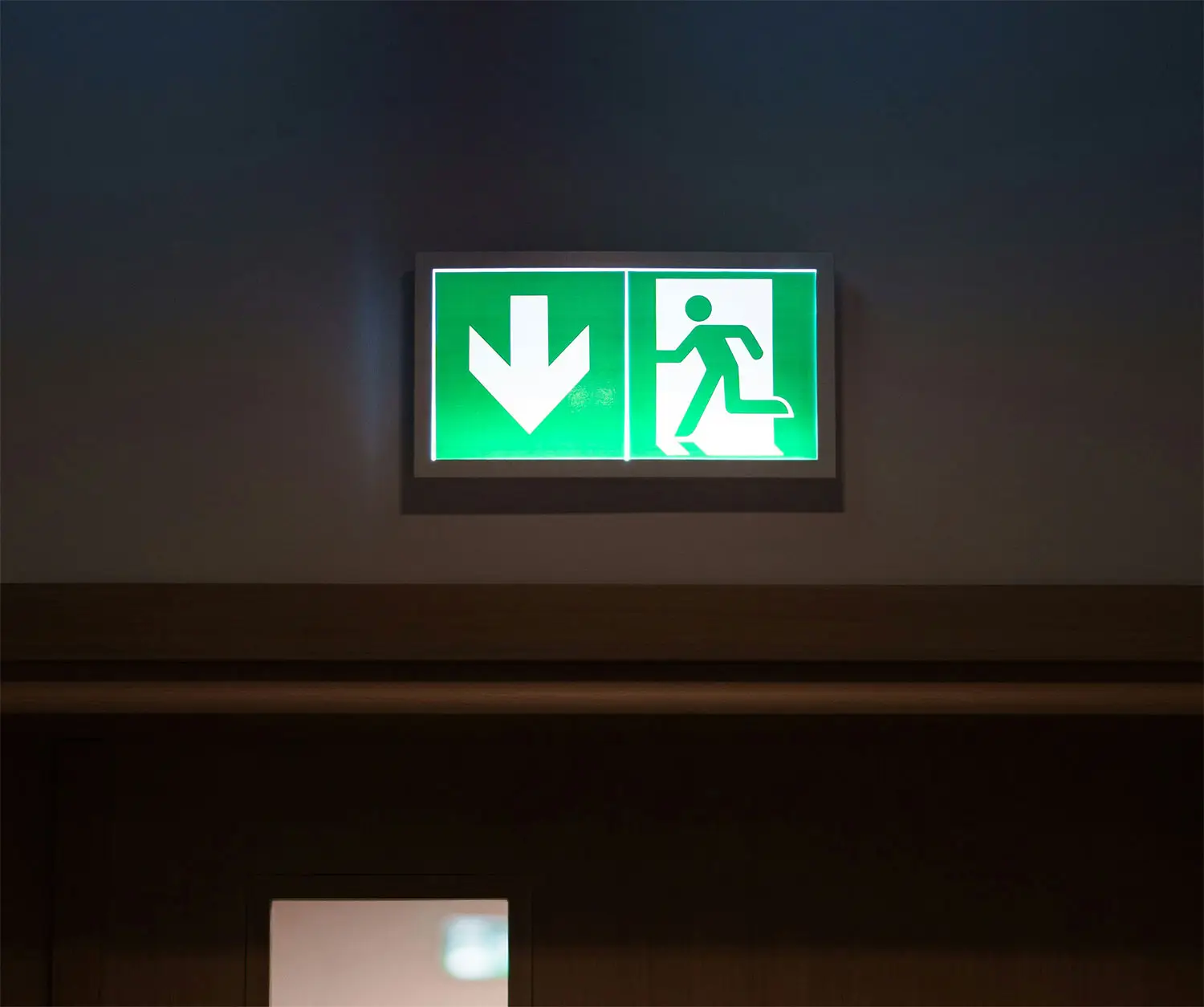
Safety and security overlap in business – this is particularly true when it comes to risk management in the hospitality industry. A spill, disruptive guest, open back door, or missing keys all create risk. Part of the job is identifying unique cases for your business, making it clear how employees report concerns.
Practical safeguards:
- Keep emergency contacts and manager-escalation steps easy to find.
- Assign responsibility for doors, keys, alarms, and cash procedures – note what differs at the beginning and end of shifts.
- Make sure exits stay clear.
- Employees are trained on emergency plans.
- Encourage staff to report hazards and uncomfortable guest interactions before they become harder to manage.
Safety and security training in the hospitality industry is a “must-have”!
Make Follow-Through Part of the Culture
Risk management in the hospitality industry works best when managers treat reports as useful rather than troublesome interruptions. If employees see that a concern is ignored, they won’t bring up the next one. Seeing a manager who listens, takes reasonable action, and explains outcomes creates a climate where reporting is smooth.
Keep follow-up brief but visible – Revisit recurring issues, note food safety law changes in the hospitality industry, replace a damaged item, clarify a confusing step, or schedule a refresher when needed – Good risk management is rarely one big fix. It is consistent attention to the small things that protect the guest experience and the business over time.
Get Professional Help
When it comes to risk management in the hospitality industry, Serve It Up Safe helps Florida businesses strengthen that training foundation with state-approved Food Manager training, Food Handler certificates, and private Responsible Vendor of Alcohol classes. Register Now to find the right option for your team.