
Key takeaways:
- Got eight managers or more? Bringing private, on-site Food Manager training to them can make training and testing a one-session job.
- Smaller teams can use a scheduled public class, while employees in different locations may be better suited to online training and remote proctoring.
- Decide who actually needs Food Manager certification before registering the whole staff; other employees may need Food Handler training instead.
- Serve It Up Safe provides the training, and eligible managers then take the ServSafe Food Protection Manager Exam – then your team is ready to go!
Coordinating Team Serve Safe certification for several managers at once can get messy in a hurry. Maybe one person orders the wrong course, someone else can’t find a timely exam, and then – surprise! – the test requires a proctor. The operation still needs its compliance records, of course, plus enough certified managers to cover the actual schedule.
There’s a faster route: For many hospitality businesses, the simplest approach is to identify the right employees, choose one training format for the group, and schedule the training and exam together. That removes the back-and-forth that tends to slow team ServSafe certification for employees down.

What Does Team Serve Safe Certification Cover
“ServSafe” sometimes gets used as a catch-all term for food safety training, but roles aren’t interchangeable. Food Manager certification is generally intended for owners, managers, chefs, supervisors and others responsible for food safety. Front-of-house and back-of-house employees who handle food may need Food Handler training instead, based on the rules that apply to the establishment.
In Florida, food managers must complete training and pass an approved certification exam within 30 days of employment. A licensed establishment must also have at least one certified food protection manager responsible for every period of operation. When four or more employees are serving food, Team Serve Safe certification coverage requires a certified manager to be present.
Before Booking Anything
Make sure to make a short roster:
- List the managers who need initial certs or renewals.
- Check each person’s current certificate and expiration date.
- Map certified managers against opening, closing, and weekend shifts.
- Jot down where people are, when they’re free, and which language they prefer.
Fifteen minutes with that list could save the cost of unused seats – and expose a shift that has no certified coverage.
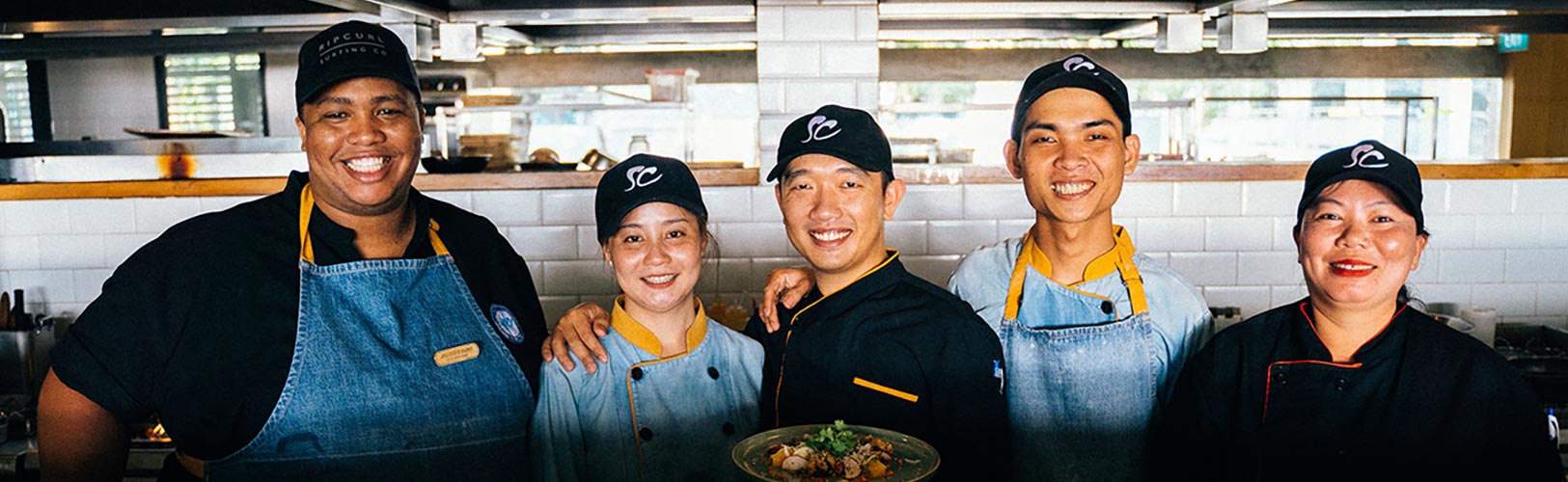
Eight-Plus Managers? Bring the Class to Them
If at least eight managers need Team Serve Safe certification, private training is often simplest. Serve It Up Safe brings the instructor-led Food Manager training and the ServSafe certification for management employees’ exam to the establishment. The team can train, test, and receive computer-based results in one planned session, without sending employees to separate locations on different days.
On-site training also gives operators control over timing. A restaurant might schedule the session before a new opening, during a slower weekday, or alongside a multi-location manager meeting. Larger groups may qualify for discounted pricing, too.
And here’s a benefit people tend to overlook: the team learns in the same room. Team Serve Safe certification lets managers discuss those essentials – all of it together, then return to work with the same point of reference. Less confusion later.
Better Options for Small or Distributed Teams
A private class isn’t automatically the fastest choice for every business. Match the format to the team:
1. Scheduled public class
For one manager or a small group, register for a public Food Manager class near them. Serve It Up Safe runs recurring classes across major Florida markets and at other sites throughout the Southeast. Both the instructor-led review and the computer-based exam fit into that Team Serve Safe certification session—no second appointment needs scheduling.
2. Learn online, then take a remotely proctored exam
Have managers at several properties — or on schedules that never seem to overlap? Online certification lets each person work through the material at a manageable pace. They complete that training first and take the ServSafe certification exam for employees afterward, watched live by a remote proctor. Flexible, yes, but not quite “click and done”: each employee must finish both pieces and have the tech setup that remote proctoring requires.
3. A blended plan
Some operators use on-site training for a new-opening leadership group, public classes for later hires, plus online Team Serve Safe certification outside the normal service area. One format doesn’t have to solve every staffing situation.
How to Keep Certification Day Moving
A class reservation gets the process started, but it won’t finish the job by itself. Some prep beforehand cuts down on day-of holdups and helps employees walk into the exam ready, not rattled:
- Reserve the date early and protect it on the work schedule.
- Confirm each participant’s registration details before the session.
- Share the pre-course study materials and set a completion deadline.
- Ask about language options or other testing needs in advance.
- Keep Team Serve Safe certification copies with the establishment’s compliance records.
ServSafe certification for managerial employees recognizes the Food Protection Manager Certification for five years, although local rules and an employer’s own requirements can differ. Put those expiration dates on the company calendar now. Finding one there beats finding it during an inspection — or right after a key manager leaves.
Don’t Stop at the Managers
Manager certification is one piece of the compliance puzzle, not the whole thing. Servers, cooks, hosts, dishwashers, and other crew members can use Food Handler training to practice the everyday stuff: hygiene, temperature control, contamination prevention. Choose Team Serve Safe certification. Serve It Up Safe offers private Food Handler training; people can also choose online or self-study routes. The company’s other private team programs include Responsible Vendor of Alcohol, Human Trafficking Prevention, Sexual Harassment Awareness, and Allergen Awareness training. Grouping required training into a coordinated plan can reduce repeated schedule disruptions throughout the year.
Get the Whole Team on One Plan
Course length alone doesn’t decide what’s fastest. The real time-wasters are duplicate registrations, forgotten exams, shifts without coverage, and having to repeat this scheduling headache a month later. Make the roster first, pick a Team Serve Safe certification format that fits, then set one unmistakable deadline.
Since 2009, Serve It Up Safe has delivered state-approved hospitality training with personable instructors, competitive rates, and private on-site options built for groups. Need to certify eight or more managers without sending everyone off property? Book Now to arrange private Food Manager training and the ServSafe exam for your team – or contact us if you have questions!