McDonald’s Challenges the Tipped Wage System

In a recent article from the Wall Street Journal titled “McDonald’s Escalates Restaurant Industry’s Fight Over Tipping”, McDonald’s CEO Chris Kempczinski criticized the longstanding practice of paying tipped workers less than the federal minimum wage. He stated that all employees should be guaranteed at least the federal minimum wage, regardless of whether their wages are supplemented by customer tips.

As part of this stance, McDonald’s announced it will withdraw from the National Restaurant Association (NRA). The company argued that the tipped wage system gives casual dining restaurants a competitive advantage over quick service chains that pay full wages without relying on tips.

The article also noted that several states, including California and Washington, have already eliminated the tipped minimum wage, while cities like Chicago are phasing it out. Washington, D.C., had similar plans but has put those plans on a temporarily paused. McDonald’s also expressed support for eliminating federal taxes on tips, though Kempczinski acknowledged this would not affect McDonald’s employees since they are not tipped.

Labor advocacy groups such as One Fair Wage welcomed the announcement, calling the tipped wage system unfair because it shifts labor costs onto customers.

The National Restaurant Association’s Position

The National Restaurant Association continues to defend the tipped wage system and the tip credit. The group argues that the system benefits both restaurants and workers by keeping menu prices affordable while still allowing servers to earn well above minimum wage through tips. According to the NRA, many tipped employees earn a median of $27 per hour, and top earners can make more than $40 per hour.

Chicago’s Move to Eliminate the Tipped Wage

Chicago passed the One Fair Wage Ordinance in 2023, which began phasing out the tipped minimum wage in 2024 and will fully eliminate it by 2028. Under the new system, tipped employees will gradually earn the same minimum wage as non-tipped workers. The policy was introduced to create stability for workers whose income often fluctuates with customer tips.

By 2025, the city had already raised the tipped wage to more than $12 per hour, up from just over $11 the year prior. Supporters believe this change ensures fairness and reduces reliance on unpredictable income. Critics, however, warn that the policy could lead to higher menu prices, staffing cuts, or even restaurant closures.

Critics of the Tipped Wage System

Critics of the tipped wage model often point to : 

  • Income instability, noting that tips vary widely based on shift schedules, location, and customer demographics.
  • They also raise equity concerns, citing studies that show women and people of color are more likely to experience wage disparities in tipped positions.
  • Another concern frequently mentioned is tipping fatigue, as customers encounter tip requests more often across quick service, retail, and non-traditional tipping environments.

Supporters of the Tipped Wage System

Those who support keeping the system argue that :

  • Earning potential for servers can far exceed minimum wage levels, especially in busy or high-end establishments.
  • Business viability depends on the tip credit, which helps restaurants manage costs in a low-margin industry.
  • Cultural value is tied to tipping in the United States, where customers view it as a way to directly reward service quality.

The Wall Street Journal article highlights how McDonald’s decision is fueling a larger national debate about the future of tipping and wage structures in the hospitality industry. With cities like Chicago moving toward change and the NRA defending the current system, the conversation over how workers are compensated is far from over.

If you are a restaurant owner or hospitality manager in Florida, staying ahead of labor and wage trends is essential for compliance and long-term success. Shoot us an email at info@serveitupsafe.com if you would like to be added to our email distribution list and receive more news and industry updates. We also provide Food Manager Certification Training, Food Handler Training, and Responsible Vendor Alcohol Training to help your team meet state requirements while building a culture of professionalism and guest trust.

Contact us here, or email info@serveitupsafe.com with any questions!

A Practical Guide to Florida Restaurant Compliance in 2026: What Operators Need to Know

This guide cuts through the noise and shows you the core requirements for 2025. It speaks to regulatory requirements around Human Trafficking Awareness, Food Safety, Alcohol Compliance, inspection preparedness for your staff, and the systems successful operators use to stay compliant.

1. Human Trafficking Awareness Requirements: 2026 Requirement

Florida continues to strengthen its stance on human trafficking, and training requirements have expanded across hospitality roles. Per Florida § 509.096 – hotel & lodging establishments must ensure:

  • Approved Human Trafficking Awareness materials are posted in employee-visible areas (reach out if you need them)
  • All staff receive training that meets state-defined minimum standards (reach out if you need state approved training)
  • Training is documented and available during DBPR inspections.

Why it matters: Violations tie directly to an establishment’s license. Compliance protects your business, your staff, and your guests.

We provide DBPR-approved Human Trafficking Awareness materials and turnkey training solutions that meet inspection expectations.

2. Food Safety Certification: The Most Common Gap in Florida Restaurants

Despite being the foundation of every operation, food safety certification remains one of the most cited issues on inspection reports.

Florida requires:

  • At least one Certified Food Protection Manager (CFPM) on-site any time there are 4+ staff members working in food service
  • Food Handler training for employees who prepare, store, or serve food
  • Active Managerial Control systems that prevent violations before they happen

Why restaurants fall short: High turnover and outdated training cycles. A manager who leaves can instantly put a restaurant out of compliance.

How smart operators reduce risk:

  • Centralize training and renewal reminders (we have online training solutions that make this easy)
  • Use Florida-specific training instead of generic national courses, many of which aren’t state approved
  • Choose providers with in-person instruction options – for many team members this is still the gold standard for passing rates and real understanding
3. Alcohol Compliance: The Requirement Many Restaurants Misunderstand

Florida’s Responsible Vendor Act offers real liability protection — but only if you are participating in state approved Responsible Vendor training, which is the only state-approved training program that meets statute requirements (Florida § 561.705).

To qualify for protections, establishments must:

  • Ensure all staff handling alcohol complete initial training
  • Provide refresher training tri-annually
  • Maintain detailed documentation
  • Train managers and supervisors under expanded requirements (per BLE-116)

Restaurants using compliant Responsible Vendor programs often see lower insurance premiums, fewer service-related incidents, and stronger defense in liability claims.

4. Inspection Preparedness: The Competitive Advantage No One Talks About

DBPR publishes every health inspection publicly, and today your inspection record is part of your marketing.

Common violations in Florida restaurants include:

  • Handwashing lapses
  • Improper time/temperature control
  • Cross-contamination
  • Cleanliness and sanitation gaps
  • Lapsed food safety certifications
  • Improper employee beverage storage
  • Incomplete labeling and/or date marking

We prepare your staff using your past inspections and real examples from competitor inspections, which significantly reduces repeat issues and builds confidence before inspectors arrive.

5. Simplifying Compliance: What Operators Should Prioritize in 2026

To stay compliant without slowing down operations, restaurants should focus on:

  1. Training that is Florida-specific

    Regulations vary by state. Using generic national material increases the risk of missing key requirements.

  2. A single system for training, records, and renewals

    Most restaurants struggle because certifications live in email inboxes, file cabinets, and old binders. Centralizing makes compliance automatic.

    Serve It Up Safe has an online user management interface that makes this possible.

  3. A blend of online and in-person instruction

    Online modules offer convenience. In-person training delivers mastery. The strongest operations use both.

  4. Fast access to replacement certificates and documentation

    When the inspector walks in, seconds count. Operators need a partner who can provide documents instantly, not in days.

How Serve It Up Safe Helps Florida Restaurants Stay Ahead

At Serve It Up Safe, we specialize in Florida-approved training built for restaurants, hotels, and bars statewide. Operators choose us because we offer:

  • In-person Food Manager classes across every major Florida metro.
  • Online and on-site Food Handler training.
  • Responsible Vendor of Alcohol Training, including on-site group sessions.
  • DBPR-approved Human Trafficking Awareness resources.
  • Inspection preparedness support focused on reducing repeat violations.
  • Fast certificate turnaround and renewal reminders.
  • Industry-leading customer service, not a call center.

We help restaurants protect their license, elevate staff knowledge, and simplify compliance — without adding more to your plate.

Curious about our online user management system? Call us – (813) 781-8884.

Questions? Contact us today.

Sparkling ($$) or Tap at Restaurants?

Fizzy Hospitality: Why Restaurants Are Serving Free Sparkling Water to Elevate Dining Experiences

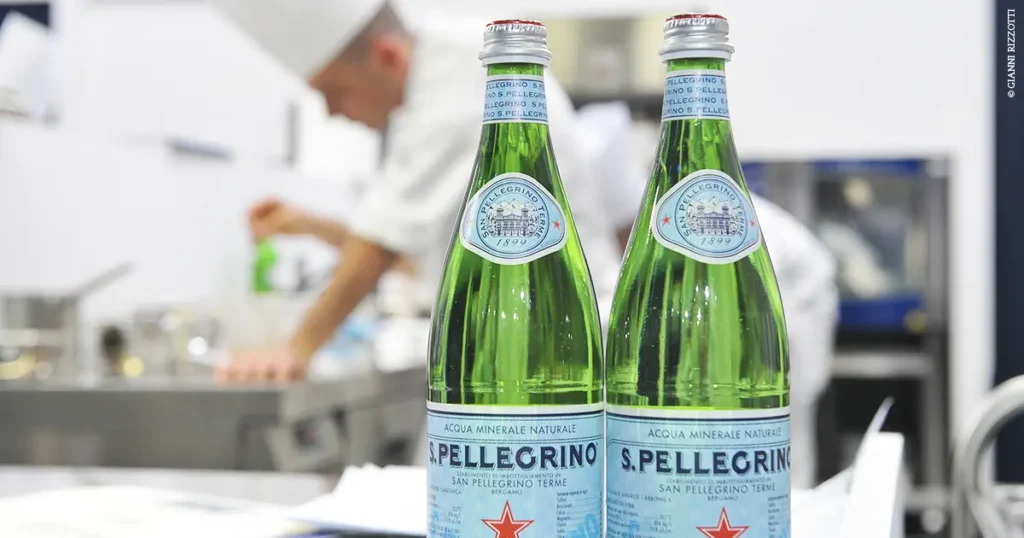
Many restaurants are now offering free sparkling water as part of their service, driven by the rising demand for healthier, calorie-free, and non-alcoholic beverage options. Sparkling water has become a popular choice for health-conscious diners who want an alternative to sugary sodas or alcoholic drinks. By providing complimentary sparkling water, restaurants create a sense of luxury and enhance the dining experience, leaving customers feeling valued and catered to.

This practice is also cost-effective for restaurants. Installing water filtration and carbonation systems is relatively inexpensive and eliminates the need for purchasing and storing bottled beverages. These systems contribute to sustainability by reducing single-use plastic or glass bottles, appealing to environmentally conscious customers. Additionally, offering sparkling water can simplify beverage service and reduce overall costs, as patrons may opt for free water instead of more expensive drinks.

Free sparkling water also aligns with broader trends in hospitality, such as focusing on health, sustainability, and customer satisfaction. Some restaurants incorporate the cost into their menu prices, presenting the sparkling water as an added benefit to justify higher pricing. This approach helps restaurants build goodwill, differentiate themselves from competitors, and meet evolving customer expectations.

Source: Eater – Why Do So Many Restaurants Offer Free Sparkling Water Now?

Questions? Contact us!

How AI is Revolutionizing Our Food Chain

Artificial intelligence (AI) is shaping everything about how it’s produced, served, and sold. With farms, restaurants, and grocery stores adopting AI at a rapid pace, the meals on our tables are increasingly connected to server farms. Here’s a closer look at the impact of AI across the food industry.

AI in Agriculture: Feeding a Growing World

Farmers and ranchers are turning to AI to optimize operations, with government incentives driving adoption. By 2050, the global population is expected to reach 10 billion, requiring 70% more food production, according to the American Farm Bureau Federation. Every innovation counts:

  • AI Tools in Use: Crop-surveying drones, GPS technology, and hands-free combine steering are now common. By late 2021, 87% of agricultural businesses used some form of AI, according to the BBC
  • Cutting-Edge Innovations: John Deere has integrated AI into its equipment for decades, including precision sensors that reduce herbicide spraying by up to two-thirds. Driverless tractors are also on the rise
  • Indoor Vertical Farming: September saw the opening of the world’s first large-scale indoor vertical berry farm in Virginia. AI-driven growth analysis is expected to produce over 4 million pounds of strawberries annually
  • AI for Animal Welfare: European scientists developed an algorithm to interpret pig sounds, aiming to improve animal well-being

AI in Fast Food and Restaurants

Quick-service restaurants are leveraging AI to streamline operations and improve customer experiences:

  • Voice-Activated Drive-Thrus: Yum Brands, which owns Taco Bell, Pizza Hut, and KFC, is deploying voice tech, digital menu boards, and AI-enabled marketing strategies
  • Inventory Management: Wendy’s used Palantir AI tools this summer to manage Frosty supplies during its $1 promotion
  • Shift Optimization: AI-enabled shift scheduling is helping restaurants match labor to demand

AI in Grocery Stores

Behind the scenes, supermarkets are adopting AI to enhance efficiency and anticipate customer needs:

  • Demand Forecasting: Chains like Albertsons and Family Dollar use AI for inventory management and to predict product demand
  • Electronic Shelf Labels: Kroger has implemented electronic labels but faced criticism about their potential for facial recognition-based pricing—allegations the company denies
  • Future Spending: Grocery retailers plan to quadruple their AI spending by 2025, aiming to generate $113 billion in value, according to a recent food industry report

Looking Ahead

From farm fields to supermarket aisles, AI is reshaping every step of the food supply chain. With investments ramping up, its role in ensuring food security, optimizing operations, and enhancing customer experience will only grow.

For more information on how you can leverage AI in your food service operation, reach out to us at info@serveitupsafe.com or contact us through our website!

Courts Block FLSA Overtime Rule Change

A federal judge in Texas has struck down the Biden administration’s 2024 Fair Labor Standards Act (FLSA) overtime rule nationwide. The rule, which aimed to raise the salary threshold for overtime eligibility, was deemed to exceed the Department of Labor’s statutory authority. Key details include:

The 2024 Rule Details:

  • It proposed a two-phase increase to the minimum salary threshold for overtime exemption:
    • Phase 1: Raised the threshold to $43,888 annually ($844 weekly) on July 1, 2024.
    • Phase 2: Planned to increase it further to $58,656 annually ($1,128 weekly) on January 1, 2025.
  • Included automatic updates every three years.

Court’s Findings:

  • The court ruled the rule improperly prioritized salary thresholds over job duties in determining overtime eligibility.
  • The decision builds on a June ruling that blocked the rule’s first phase for public employers in Texas, now extended nationwide.

Current Threshold:

  • The salary threshold remains at the level set in 2019: $35,568 annually ($683 weekly).

Implications for Employers:

  • Employers may delay or reconsider the second salary increase scheduled for January 2025.
  • Rescinding the July 2024 increase is technically possible but may harm employee relations.
  • Employers in states with higher salary thresholds must still comply with local laws.

The ruling leaves open questions about future adjustments to overtime regulations, particularly under a potential Trump administration.

The Restaurant Industry is Looking Up

Despite rising labor and food costs, optimism in the restaurant industry remains strong.

According to Toast’s recent Voice of the Restaurant Industry Survey of ~850 U.S. restaurant decision-makers, 29% of operators are very likely to expand their locations within the next 12 months – a notable rise from 17% in 2022.

Operators are investing in their teams through enhanced training and diversifying revenue channels like delivery, catering, and reservation management – key strategies for meeting changing consumer demands. They’re also embracing technology to streamline operations, with tools such as handheld devices, mobile payments, scheduling software, and voice AI.

While inflation and operational costs remain a challenge, the resilience of the industry is evident, with total restaurant sales expected to top $1.1 trillion in 2024. This outlook signals not only endurance but an ongoing evolution in how restaurants engage with customers and optimize their operations.

Contact us at info@serveitupsafe.com if your team is expanding and needs a reliable food safety training or alcohol training provider!